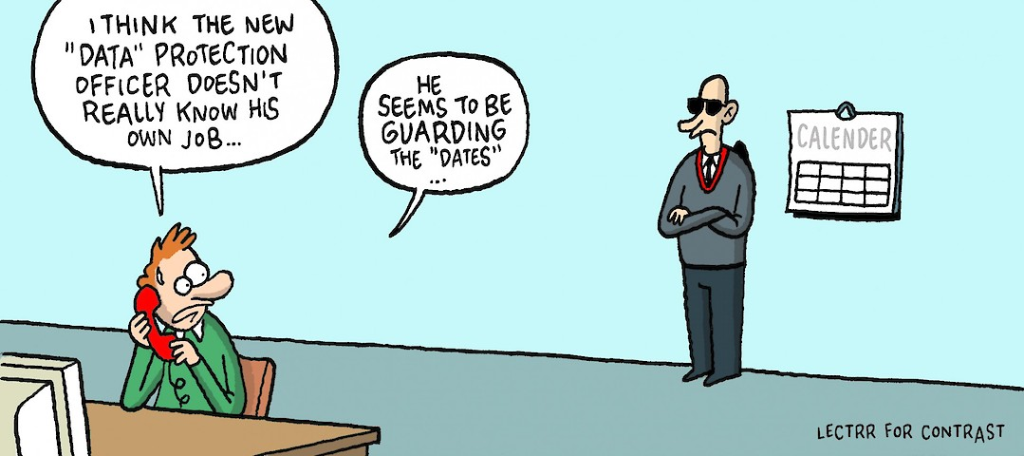
In our previous article, we discussed the pitfalls of GDPR compliance for Belgian SMEs. Many small and medium-sized enterprises (SMEs) struggle to fully grasp the complexities of the General Data Protection Regulation (GDPR), often seeing it as a bureaucratic burden rather than a crucial aspect of modern business operations. However, data protection is more than just a compliance exercise—it is about securing customer trust, avoiding hefty fines, and ensuring smooth business operations in an increasingly digital world.
One of the key questions SMEs face is whether they need to appoint a Data Protection Officer (DPO). While GDPR makes it mandatory for certain organizations to have a DPO, many SMEs can still benefit from having one, even if they are not legally required to do so. In this article, we will explore the circumstances in which a DPO is necessary, the responsibilities they undertake, and why outsourcing this role can be a strategic move for SMEs.
When does GDPR require a DPO?
GDPR outlines specific conditions under which organisations must appoint a DPO. Generally, this applies to companies whose core activities involve large-scale monitoring of individuals or those that process sensitive personal data. Public authorities and bodies must also designate a DPO, regardless of their processing activities.
Large-scale monitoring refers to activities such as tracking user behaviour across websites, analysing customer purchasing patterns, or using surveillance technologies. Companies operating in sectors like marketing, telecommunications, or online services often fall under this category. If an SME is involved in extensive data analytics, customer profiling, or behavioral advertising, appointing a DPO is not just advisable—it may be legally required.
Similarly, if an SME handles special categories of data—such as health records, financial information, genetic or biometric data, or details related to racial or ethnic origin—then a DPO is necessary. Industries like healthcare, insurance, and finance typically deal with such sensitive data, making compliance with GDPR regulations a top priority.
It is also important to note that some EU member states have additional requirements beyond the general GDPR framework. For example, in Germany, any organisation with ten or more employees that permanently process personal data must appoint a DPO. Similarly, Ireland’s Data Protection Act 2018 allows the Minister for Justice and Equality to expand the categories of organizations required to designate a DPO. SMEs operating in multiple EU countries should check for any local variations in data protection laws that may apply to them.
The responsibilities of a DPO
A DPO plays a crucial role in ensuring an organisation adheres to data protection laws. Their primary duty is to monitor GDPR compliance within the company, providing guidance on best practices and helping to shape data protection policies.
One of the key responsibilities of a DPO is advising senior management and employees on their legal obligations under GDPR. This includes providing training, raising awareness about data protection risks, and ensuring that all staff members understand their role in safeguarding personal data. In SMEs, where employees may wear multiple hats, having a DPO who can provide clear guidance can be invaluable in preventing accidental breaches.
In addition to offering advice, the DPO is responsible for monitoring compliance with GDPR and other relevant regulations. This involves conducting internal audits, assessing the effectiveness of existing data protection measures, and identifying areas for improvement. If an SME collects, stores, or processes personal data, regular audits help ensure that potential vulnerabilities are addressed before they turn into serious compliance issues.
Another critical function of a DPO is acting as the primary contact point for both regulatory authorities and data subjects. If an individual wants to exercise their data protection rights—such as requesting access to their personal data or asking for it to be deleted—the DPO ensures that these requests are handled in accordance with GDPR requirements. Similarly, if the organisation is subject to an investigation or inquiry from a data protection authority, the DPO is responsible for coordinating the response and demonstrating compliance efforts.
Finally, the DPO plays a central role in conducting Data Protection Impact Assessments (DPIAs). These assessments help identify and mitigate risks associated with data processing activities. For example, if an SME is planning to launch a new customer loyalty program that involves collecting detailed personal data, a DPIA would evaluate the potential risks and recommend measures to ensure compliance with GDPR.
When outsourcing a DPO makes sense
For many SMEs, appointing a full-time, in-house DPO may not be practical due to budget constraints or a lack of internal expertise. This is where outsourcing the DPO function becomes an attractive option.
Outsourcing a DPO allows SMEs to access expert guidance without the financial burden of hiring a dedicated employee. A specialised external DPO service brings extensive knowledge and experience, ensuring that the company remains compliant with GDPR while focusing on its core business activities.
One of the key advantages of outsourcing is that an external DPO provides independent oversight. In many organisations, conflicts of interest can arise if an employee takes on the DPO role while also being responsible for managing data processing activities. An outsourced DPO, on the other hand, offers an objective perspective and ensures that compliance efforts are not compromised by internal pressures.
Another benefit of outsourcing is scalability. A growing SME may not require a full-time DPO initially, but as the business expands and data processing activities become more complex, the need for expert guidance increases. An outsourced DPO service can adapt to the company’s changing needs, providing support as required without unnecessary overhead costs.
Furthermore, outsourcing provides peace of mind. GDPR compliance is an ongoing process that requires constant monitoring and adaptation to regulatory updates. A dedicated external DPO stays up to date with the latest legal developments and industry best practices, ensuring that the SME remains compliant and avoids costly penalties.
Conclusion
The role of a Data Protection Officer is vital in today’s data-driven world. While not all SMEs are legally required to appoint a DPO, doing so can provide significant advantages in terms of regulatory compliance, risk management, and customer trust.
For many small businesses, outsourcing the DPO function is the most practical and cost-effective solution. It allows SMEs to benefit from expert guidance without the commitment of hiring a full-time employee, while also ensuring independent oversight and regulatory compliance.
At LVS Management, we understand the challenges that SMEs face when it comes to data protection. That’s why we offer DPO as a Service, providing tailored support to help your business navigate GDPR compliance with confidence. Whether you need ongoing guidance, assistance with audits, or help responding to regulatory inquiries, our team of experts is here to assist you.
If you’re unsure about whether your SME needs a DPO or would like to explore our services, get in touch today. We’ll help you determine the best approach to data protection and ensure that your business stays on the right side of GDPR.